
Snow Much Fun: Winter Break Math Card Game Ideas

As we head into Winter Break, now is the perfect time to keep fact fluency fresh—without adding extra worksheets or stress. One of the best ways to support learning over break is simply playing math card games. They build confidence, strengthen automaticity, and keep students moving forward…all while having fun with family and friends. Make Winter Break a Game-Filled Break Encourage your students to play a few favorite RightStart Math card games over break to keep developing their fact fluency. Games like Go to the Dump, Fraction War, and Multiplication Memory turn practice from boring to fun. Here are some game ideas: Assign specific games to build specific skills Provide RightStart Math’s Game Log for students to document what they played Invite families to send in pictures showing their game moments Have a friendly class competition for “Most Games Played,” “Best Family Game Night,” or “Most Improved Skills” A little bit of purposeful motivation from you will keep students engaged and growing through the winter break. Games Log Want to Encourage Even More Participation? If your school would like to make it easier for families to access materials needed to play the math card games, we can set up a special school discount code just for you. Reach out to us, and we’ll set up a code to share with your families so they can get a discount! Contact Us Product Spotlight: New Math Card Game Decks We’re excited to highlight our newly updated Math Card Game Decks! These decks: Feel more like a traditional playing card deck Are easier to shuffle Still feature the kid-friendly, visual design you love If you need additional card decks or want to replace older decks, now is a great time to switch to our redesigned, easier-to-shuffle decks. Contact us for pricing, and don’t forget—we still offer quantity discounts! We hope these ideas make Winter Break both fun and meaningful for your students. Thank you for all you do to support confident student mathematicians. If you need anything—from game suggestions to ordering support—we’re here and happy to help. Wishing you a wonderful winter break! Your RightStart Math partners, Teresa, Rachel, Maren and Kathleen
Math Fact Fluency Success with Card Games
March 2025 Newsletter Have you ever felt like math lessons are taking longer than they should? Do your students seem frustrated or struggle to grasp new concepts? The issue could be that math fact fluency needs strengthening. Math fact fluency—the ability to quickly recall basic addition, subtraction, multiplication, and division facts—is a crucial foundation for success in math. When students hesitate on basic facts, problem-solving and learning slow down, making lessons feel long and frustrating. But here’s the good news: fluency can be strengthened through play! The Power of Math Games A school in Texas faced this very challenge. They were getting behind in lessons, students and teachers were getting frustrated and discouraged. Though it seemed counterintuitive, we suggested they take some time off from regular lessons and focus solely on math fact games. The result? Students developed confidence. Lessons were completed faster. And students began to learn new material much more quickly. Game Suggestions Would you like recommendations on games to play? Contact us! We are happy to guide you to games that will strengthen skills and review previously learned content. By making math fact practice enjoyable, we set students up for long-term success. The more fluent they are, the smoother and faster their learning will be. So, grab a deck of cards and watch math confidence soar! Small steps in fluency lead to big leaps in learning—starting with a game! Your RightStart Math partners, Teresa, Rachel, Maren, and Kathleen
Math Facts: Fun, Games, & Discounts
December 2024 Newsletter Keep math fun during the winter break! Everyone looks forward to winter break, but we also don’t want our students to lose the progress they’ve made this year. You can keep math fun even as your students develop fact fluency by sending them home with fun Winter-Themed Bingo Cards that encourage continued practice over the break. Get creative! Use these fun Bingo Cards to spark a little friendly competition over the winter break as you encourage a fun way to practice math facts. Give them goals to achieve during the break with a promised award for those who achieve those goals. Then, when January rolls around, consider having a celebration or party as they share their achievements with one another in class! If your parents do not have the Math Card Games Kit, we are offering a special holiday discount of 10% off the kit. The code they will need to use is: PAR24MCG10. This code is for parents and teachers who want to purchase the Math Card Games Kit. Make sure to place your order before December 31st, 2024, though! Because that is when the discount code expires. As always, if you have any questions or concerns, don’t hesitate to reach out. We’re here to help make this school year a great success! Sincerely, Your RightStart Math partners, Teresa, Rachel, Maren, and Kathleen
November 2023 Newsletter: Math Card Games
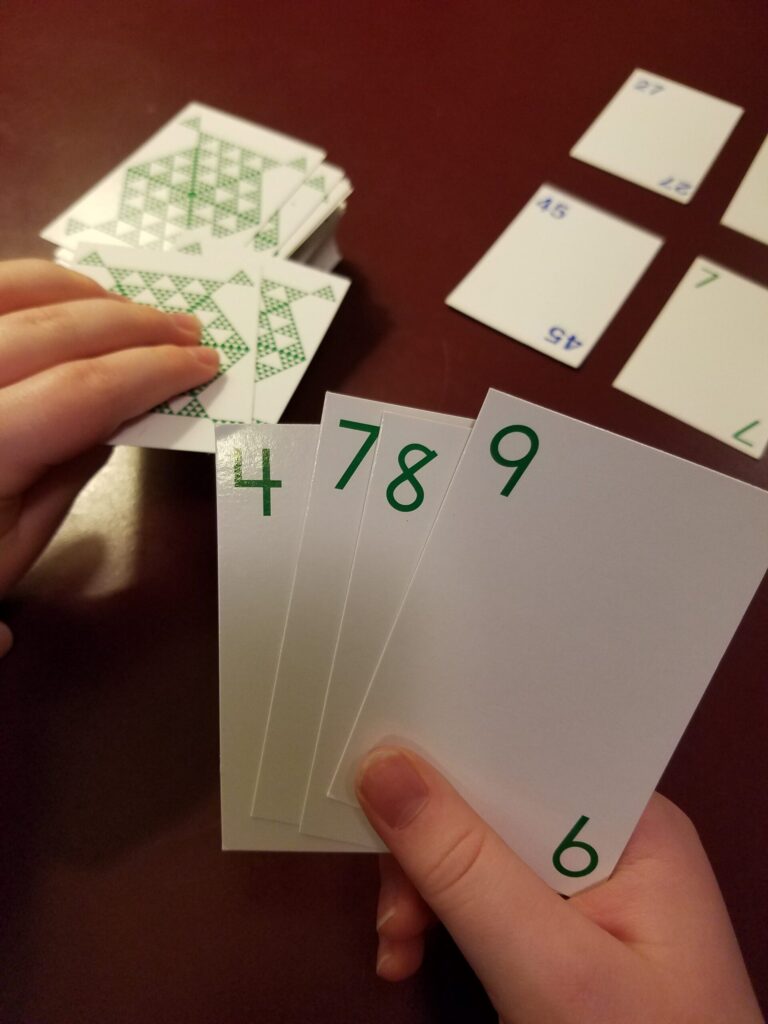
Why are games important? We all know that practicing math facts is necessary, and games are a fantastic way to get the job done. In fact, it can be said that games are to math as books are to reading. However, they should be more than just a glorified version of flashcards; they must be designed to teach. When playing RightStart’s math card games, students get immediate feedback from their peers or from the game itself, increasing their proficiency. So, how do you help your students play more math games? End each math lesson with a game Use ten minutes before or after recess/lunch or before dismissal to play a game Encourage your parents to play math card games at home** Use games and other activities to challenge your students, especially your early finishers. In addition, you can provide your students with tangram puzzles and geometry net cards for engaging and educational supplemental learning activities. Do you want a way to assess student progress as they play the math card games? Click here to learn how. **We can help you get the math card games kit into the hands of your parents at a discounted price! Contact us to find out how! Parent Game Night Experience Help your parents understand the value of playing card games at home by having a parent night at your school. Parent Game-Night Options: We can come to your school and help you lead the parent night. You only need to cover our travel expenses. Teachers can oversee the tables and help parents learn how to play the games. Students can oversee the tables and teach the games. Encourage attendance by choosing a fun theme: Parents-only Hors D’oeuvres Night (wine and cheese, etc.) Casino Night (decorate the room like a casino) Family Fun Night (all family members and friends are invited) Game Instructions Available on Video Finally, are you interested in learning how to play the games quickly? We have video instructions on how to play every game used in the RightStart Math curriculum. We have game instructions on video! Feel free to view a sample of them. For more information about the year-long subscription, click here. As always, if you have any questions or concerns, please do not hesitate to contact us. We are here to help you have a fabulous school year! Your RightStart Math partners, Teresa, Rachel, Maren, and Kathleen
Winter Holiday Bingo Cards
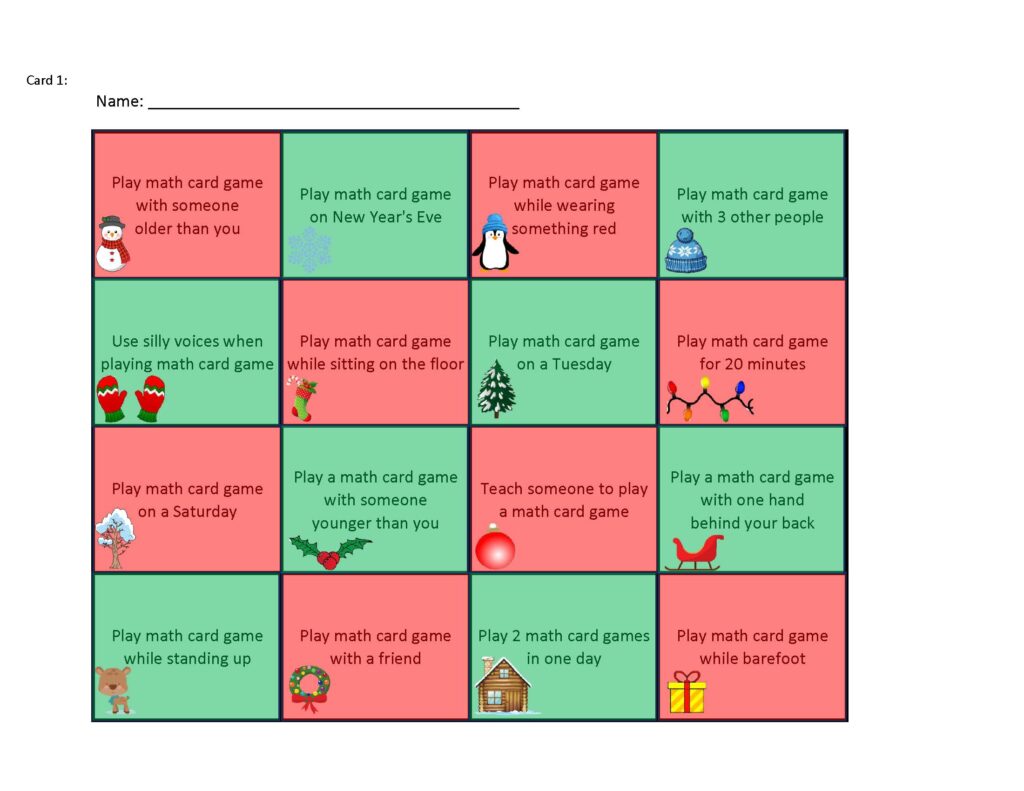
A Fun Way to Practice Math Facts during the Break! We know how important it is for students to keep up their math facts, even during long weekends and holiday breaks. So, we would like to provide a free resource you can use to encourage your students to practice math facts during the upcoming break. To that end, we have created fun, winter-themed Bingo cards. These cards will foster opportunities for your students to engage with their family and friends through fun – and maybe a little silly – activities. You can choose from two styles: full-colored cards or reduced-colored cards. Choose the style that best meets your printing needs. There are six different card arrangements for each style. Full-Colored Bingo Cards Reduced-Color Bingo Cards Ideas to Encourage Participation You can encourage student participation by having a contest to see how many of your students can complete a row, column, or even the entire Winter Bingo cards! Break the class into teams to see which team wins and reward them with a special prize or celebration upon their return to school after the break. Give your students a list of games to choose from to ensure they practice the facts they need. Or you can open it up to student preferences, letting them choose any game they want to play. If you would like a list of games that might be grade-level or skill-appropriate, feel free to contact us! We want to help you ensure that your students continue learning while they enjoy practicing math facts by playing card games. Also, remember that we have all the game instructions available through a subscription to Vimeo. Check this link out for more information about the video game instructions. From all of us at RightStart Math, We hope you have a restful and happy winter holiday break! Your RightStart Math partners, Teresa, Rachel, Maren, and Kathleen
Assess Progress with Games
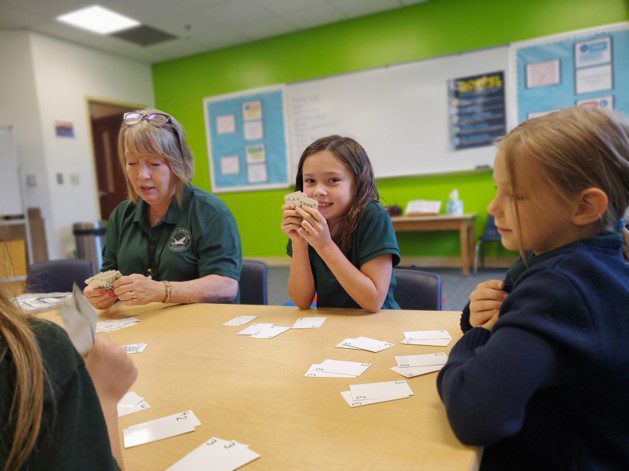
RightStart Math understands that teachers need to assess the progress of their students. The RightStart Math curriculum includes periodic review lessons and three formal Assessments, including the year-end assessment. But what about assessing the games? Did you know that you can informally assess your students’ progress and math fact fluency when they play math card games? Here are a few ways: Track their time. If the game you assign your students has them work through a set of cards, track how long it takes them to play it. For example, A44 Addition War requires students to work through a deck of 40 Basic Number cards. If two of your students take 1:30 minutes to work through the deck one day and the next day they finish in 1:15 minutes, that is progress. You can also calculate how many problems they are solving per minute. For example, in A44 Addition War, two students work through 20 cards each, creating 10 equations. Remember, students are not only calculating their own equations but checking their peer’s calculations. So, they are solving 20 problems while playing a game. So, if your two students solve 20 problems in 1:30 minutes, they are solving 13 problems each minute. Let your students document their own or their peer’s progress. As your students play the games together, let them evaluate their own or each other’s work. Each time a student gets an equation correct, they add a checkmark to their card (or their peer’s card). You can see how many problems the student got correct while playing the game. Keep track of which problems they got correct. You can create a document where your students record which problems they answered correctly and how many times. For example, if your students are playing A3 Go to the Dump, you can give them an assessment form. Each time they answer a specific equation correctly, they check that box on the assessment form. Here are some samples of game assessment documents to get you started: A3 Go to the Dump Assessment Form A9 Corners Assessment Form P10 Multiplication Memory for 4s Assessment Form One more suggestion Send these assessment forms home with your student and have their parents keep track of their progress at home! If you have questions or want more information about assessing students through gameplay, contact us!
Math Day School Event
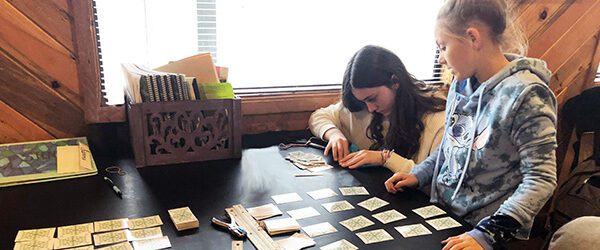
Kulm Public School, located in Kulm, North Dakota, is uses the RightStart™ Mathematics curriculum. In November, they had a math day for the entire elementary school with great success. About a month before the event, Tami Kramlich, the Elementary Principal, wrote to us and said, “Last year we had a literacy and fitness event that was very well-received. Each classroom had a fitness station where the kids and parents learned some easy to do fitness activities. At the end we all met in the lunchroom for snacks and read a book together. We would like to do something similar with our math event.” So the planning began. We set the date for the event. The schedule was set: 1:00 – 1:30—Introduction to RightStart™ Math 1:30 – 1:50—First Station 1:50 – 2:10—Second Station 2:10 – 2:30—Third Station 2:30 – 2:50—Fourth Station 2:50 – 3:10—Fifth Station 3:10 – 3:20—Snacks 3:25—Regular Dismissal Each station, held in different classrooms, had one or two of the math games set up. Games chosen were Corners™ (game A9), What Makes 16 Cents (game M6), Short Chain (game A47), Fraction War (game F7 andF9), Multiplication Memory (game P10), Swim to Ten (game N34) and Memory with Different Sets of Cards (game N17), all from the Math Card Games book. Parents and children were placed on teams and rotated from station to station to learn a new math game and spend time playing the game. In some situations, the group would watch the video, sometimes the teacher would demonstrate the game, or sometimes the group would watch a select few play the game, then everyone would go and play it themselves. Everyone had a blast! Parents and grandparents were involved, children were proud of their classrooms and their math skills, and everyone was learning. Laughter was heard up and down the halls. When the buzzer sounded to indicate it was time to move to the next station, I’d hear “Hurry up so I can get a turn!” or “Now that was GREAT!” We challenge you to create a game day at your school. We have the plan outlined right here or maybe set up a couple-hour block and play games, changing the game every 15 to 20 minutes. Let us know how this goes!